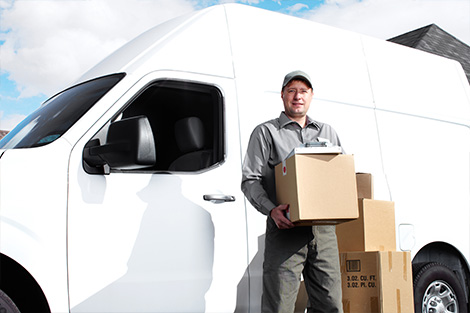
N5 Moving Guide Man with Van for Highbury Barn
If you are planning a move in Highbury Barn, the process can feel strangely bigger than the job itself. One minute you are just shifting a few boxes, and the next you are trying to work out parking, access, fragile items, awkward stairwells, and how on earth to get the sofa through that narrow hallway without scuffing the wall. That is where an N5 moving guide man with van for Highbury Barn becomes genuinely useful. It is not just about transport. It is about making a local move calmer, quicker, and far less chaotic.
This guide breaks down how a man with a van service works in N5, what to expect in Highbury Barn specifically, how to prepare properly, and how to avoid the little mistakes that turn a simple move into a long day. You will also find a practical checklist, a comparison table, and advice on when this type of service makes sense versus a larger removal option. Truth be told, a good move is usually about planning more than lifting.
Table of Contents
- Why N5 moving guide man with van for Highbury Barn Matters
- How N5 moving guide man with van for Highbury Barn Works
- Key Benefits and Practical Advantages
- Who This Is For and When It Makes Sense
- Step-by-Step Guidance
- Expert Tips for Better Results
- Common Mistakes to Avoid
- Tools, Resources and Recommendations
- Law, Compliance, Standards, or Best Practice
- Options, Methods, or Comparison Table
- Case Study or Real-World Example
- Practical Checklist
- Conclusion
- Frequently Asked Questions
Why N5 moving guide man with van for Highbury Barn Matters
Highbury Barn is one of those places where local knowledge really earns its keep. Streets can be busy, parking can be tight, and access is not always as simple as "pull up outside and load." If you are moving in N5, you are probably not just moving items; you are moving them through a real urban setting with timed parking, neighbours close by, and the usual London realities. A man with a van service helps bridge the gap between a full-scale removal team and trying to do it all yourself.
For many people, the main value is flexibility. A smaller move does not always need a huge lorry. Maybe you are moving from a studio flat, collecting furniture from storage, or shifting contents between nearby addresses. Maybe you only need help with the heavy bits because the rest fits in your own car. The right service should fit around the move, not force your move to fit a rigid system.
There is also a trust angle here. You want someone who understands the practical side of moving: protecting items, being careful in tight spaces, and arriving with the sort of attitude that says, "right, let's get this done properly." That can make a very real difference on moving day, especially if you are already juggling work, keys, and handovers.
Expert summary: For Highbury Barn moves, the best man with van service is usually the one that combines local awareness, careful handling, sensible timing, and transparent pricing. The lifting matters, yes, but the planning matters more.
How N5 moving guide man with van for Highbury Barn Works
At a basic level, the process is simple. You tell the provider what needs moving, where from, where to, and roughly how much there is. They then quote or estimate the job based on size, distance, access, and the time needed. On the day, the driver or mover arrives with the van, helps load your items, transports them, and unloads at the destination.
Where it gets more useful is in the detail. A good man with van service should ask practical questions before the job starts:
- How many boxes and larger items are there?
- Are there stairs, lifts, or awkward access points?
- Are any items especially fragile, heavy, or bulky?
- Do you need collection and delivery at fixed times?
- Will the van need close parking, loading bay access, or a permit-friendly approach?
In a place like Highbury Barn, those questions are not bureaucratic fluff. They help avoid delay. A van stuck half a street away because access was misunderstood can create a whole lot of unnecessary carrying. And nobody wants that, especially if it is raining, which, let's face it, is always a fair possibility in London.
Many customers also use a man with van service for partial moves rather than full house removals. For example, you may move the main furniture with a service and take smaller bags yourself, or book the van for a single bulky item collection. That sort of flexibility is one reason the service remains popular in N5.
Key Benefits and Practical Advantages
The best benefit is obvious: you save time and physical effort. But there are several other advantages that matter just as much in a local move.
- Better fit for smaller jobs: You are not paying for a large removal vehicle when a compact van is enough.
- Local route familiarity: A driver familiar with Highbury Barn is more likely to anticipate traffic, access, and parking issues.
- Hands-on help: Loading and unloading support makes a big difference for wardrobes, mattresses, and awkward furniture.
- Reduced moving stress: There is comfort in knowing someone else is handling the driving and the heavy lifting.
- Flexible timing: Many man with van jobs are easier to schedule around your handover window, work hours, or storage access slot.
One quieter benefit is less waste. Because smaller vans are often used for targeted jobs, you can move only what you need, which helps when you are sorting through items and deciding what still deserves a place in the new home. That mindset can also pair well with recycling and sustainability if you are disposing of things responsibly rather than just moving clutter from one postcode to another.
And if your move includes items you no longer want, such as a worn sofa or an old mattress, it can be helpful to arrange the right disposal service alongside the move. That avoids the classic "we'll deal with it later" pile-up, which rarely becomes smaller on its own.
Who This Is For and When It Makes Sense
This type of moving service is a strong fit for people who need a practical, no-fuss solution rather than a large, fully managed removal operation. It is especially useful if you are:
- moving out of a flat or small house in N5
- collecting furniture bought locally or second-hand
- transferring items to storage
- moving student accommodation contents
- relocating a home office or a few bulky items
- splitting a move over one or two trips
It also makes sense when you have more stuff than a normal car can safely carry, but not enough to justify a bigger removal package. That middle ground is exactly where man with van services shine. A lot of people underestimate how often that middle ground appears. Then moving day arrives and suddenly there are more boxes than expected. Funny how that happens.
If you are moving from a property near busy local routes or you have limited parking access, a smaller and more agile vehicle can be a real advantage. It is often easier to position, easier to load, and easier to keep the day moving without unnecessary delays.
Step-by-Step Guidance
Here is a straightforward way to approach your Highbury Barn move without overcomplicating it.
- Make a full item list. Write down what is going, what is staying, and what needs to be disposed of. This sounds basic, but it stops forgotten items from becoming a problem later.
- Measure the bulky pieces. Sofas, wardrobes, beds, and appliances can be trickier than they look. Measure height, width, depth, and any tricky corners or stair turns.
- Check access at both addresses. Think about stairs, lifts, parking, entry codes, and whether the van can reasonably get close.
- Decide what needs extra protection. Mirrors, TVs, glass tables, and artwork should be wrapped and labelled clearly.
- Book with enough lead time. Good services get busy. If your move date is fixed, do not leave it to the last minute.
- Confirm timing and contact details. A quick check the day before can save a surprising amount of stress.
- Prepare a loading path. Keep hallways clear and box items together. The cleaner the route, the faster the job tends to go.
- Do a final sweep. Check cupboards, drawers, behind doors, and windowsills. People always leave one charger, one key, or one random kitchen utensil behind. Always.
If the move includes disposal, separate those items in advance. If you are getting rid of appliances, you may want to look at fridge and appliance removal. For bulky seating or bedroom items, the service pages for mattress and sofa disposal can be useful too. Keeping move items and disposal items clearly separated usually saves time on the day.
Expert Tips for Better Results
A smoother move is often the result of tiny decisions made before the van arrives. The basics matter, but a few experienced habits make things noticeably easier.
Keep the load organised by room
Label boxes by room and priority. For example, "kitchen - first night," "bedroom - essentials," or "office - cables." That simple structure helps unloading stay efficient and prevents the all-too-common pile of mixed boxes in the new place.
Pack for handling, not just storage
People often pack as if boxes will sit perfectly still forever. They won't. Use sturdy tape, avoid overfilling, and keep heavier things in smaller boxes where possible. A box that is too heavy becomes awkward to carry, and that is how little accidents start.
Use soft items intelligently
Blankets, towels, and bedding can help protect delicate furniture surfaces. They also fill small gaps inside the van, which reduces shifting in transit. A bit old-school, maybe. Still works.
Be realistic about time
A two-hour move can become a four-hour move if access is poor or dismantling is needed. Leave some breathing room. Not loads. Just enough that you are not staring at the clock every ten minutes.
Ask about cover and handling standards
Before booking, it is sensible to check how the provider handles damage risk, loading care, and vehicle security. A professional approach should include attention to insurance and safety, because the move is not only about convenience, it is also about reducing avoidable risk.
One practical tip from experience: keep a small "move essentials" bag with keys, ID, phone charger, snacks, medication, and water. It sounds almost too simple, but after a long day, being able to find the kettle switch and your phone charger without rummaging through nine identical boxes feels like a small miracle.
Common Mistakes to Avoid
Most moving headaches are avoidable. Not all of them, to be fair, but most.
- Underestimating the volume: A few "small" items can become a van-full quickly.
- Not measuring large furniture: If it does not fit through the stairwell or doorway, the whole schedule gets messy.
- Leaving packing too late: Last-minute packing usually creates stress and broken items.
- Forgetting parking and access: In N5, this can be a major issue, especially during busier times of day.
- Mixing valuables into random boxes: Keep passports, jewellery, and essential documents with you.
- Assuming all services include the same level of help: Some cover loading only, some include heavier handling support, and some are more limited than people expect.
Another common one is ignoring disposal until after the move. If there is old furniture, broken appliances, or anything you do not want in the new place, deal with it before moving day where possible. It keeps the job cleaner and avoids paying to transport items you are only going to remove later anyway.
Tools, Resources and Recommendations
You do not need fancy gear to move well, but a few things make the process easier:
- Strong packing tape for sealing boxes properly
- Marker pens and labels for room-by-room organisation
- Furniture blankets or moving pads for protecting finishes
- Ratchet straps or securing straps where appropriate
- Bubble wrap or paper wrap for breakables
- Trolley or sack truck for heavier, boxy items
- Zip bags for screws, fittings, and small parts
If you are clearing clutter as part of the move, there are a couple of useful support pages on the same site that may help you plan better. For example, what can go in a skip gives you a sense of common disposal boundaries, while hazardous waste disposal is worth understanding if you are dealing with items that need extra care. That might be paint, chemicals, or other things that should not just be tossed in with household waste.
If you are comparing service quality rather than just price, it can also help to read the company's about us page and health and safety policy. Not glamorous reading, admittedly, but useful if you want reassurance before booking.
Law, Compliance, Standards, or Best Practice
For a local move in London, the main compliance and best-practice concerns are usually practical rather than legal drama. You want a service that operates responsibly, respects property, and handles any waste or unwanted items properly.
If you are disposing of items during a move, be careful about separating normal household goods from materials that need special treatment. Appliances, mattresses, confidential paperwork, and hazardous items each need a sensible approach. For example, if sensitive documents are involved, a dedicated confidential shredding service is more appropriate than putting files in a regular box. That is just plain common sense, really.
From a customer point of view, best practice includes clear quotes, transparent expectations, careful handling of belongings, and clear terms. If you want to understand the service conditions in more detail, it is worth reviewing terms and conditions, as well as the company's payment and security information. Those pages help set expectations around booking, payment, and service scope.
It is also reasonable to expect a provider to have a route for complaints if something goes wrong. Nobody likes having to use it, but good services should have one. If you ever need it, the complaints procedure page should explain the next steps plainly.
Options, Methods, or Comparison Table
If you are deciding between moving methods, here is a simple comparison that may help.
| Option | Best for | Pros | Trade-offs |
|---|---|---|---|
| Man with van | Small to medium local moves, single-item transport, storage runs | Flexible, cost-efficient, good for tight access | Less capacity than a larger removal team |
| Large removal van or full removals | Whole-house moves, larger furniture loads, more complex relocations | More capacity, often more structured support | Usually more expensive and less flexible for small jobs |
| Self-move | Very small moves or minimal furniture | Maximum control, may be cheaper if you already have transport | More lifting, more time, higher personal effort |
In simple terms, the man with van option usually wins when your move is local, the load is manageable, and access matters. If you are moving a whole family home, that is a different story. But for flats, small homes, or partial moves in Highbury Barn, it is often the sweet spot.
Case Study or Real-World Example
Here is a realistic example. A couple moving from a first-floor flat near Highbury Barn had a bed frame, mattress, two bookcases, a dining table, and about twenty boxes. They also had an old washing machine they did not want to take with them. On paper, it looked manageable. In the flat itself, the stairwell was narrow, the lift was not suitable for everything, and parking outside was limited to a short window.
By planning in advance, the move went much better than they expected. Boxes were labelled by room, fragile items were wrapped separately, and the washing machine was removed as part of a separate disposal arrangement. The van was booked for a time that matched both the access window and the new property handover. There was still a bit of hustle, naturally. There always is. But it was organised hustle rather than panic.
The most useful lesson from that kind of move is simple: local knowledge, clear preparation, and realistic timing make a bigger difference than extra effort on the day. If you are carrying things up and down stairs in the wrong order, you feel it fast. If you load smartly, the whole day becomes noticeably calmer.
Practical Checklist
Use this checklist a day or two before moving.
- Confirm the booking time and contact number
- Check what is being moved and what is staying behind
- Measure large furniture and any difficult access points
- Label every box with room and priority
- Pack essential items separately
- Protect fragile items with wrap or padding
- Disassemble furniture if needed, and keep screws in labelled bags
- Arrange parking or loading access where possible
- Separate any disposal items from move items
- Keep keys, documents, and valuables with you
- Clear pathways in both properties
- Do a final room-by-room sweep before departure
Quick reminder: If you are unsure whether to move, store, or dispose of an item, decide that before the van arrives. It saves time, and it saves a bit of sanity too.
Conclusion
A well-planned N5 moving guide man with van for Highbury Barn is really about making a local move feel manageable. The right service gives you flexibility, reduces heavy lifting, and helps you navigate the realities of London access without turning the day into a marathon. If you prepare properly, measure the awkward items, and think through parking, timing, and disposal in advance, you will already be ahead of the game.
The biggest wins usually come from small things: clear labels, honest volume estimates, a sensible booking window, and knowing which items need special care. Do that, and the move becomes less of a scramble and more of a process. Not effortless, perhaps. But calm enough. And sometimes that is exactly what you need.
Get a free quote today and see how much you can save.
If you are ready to take the next step, you can also explore the online booking page or learn more about the team's approach on the about us page. Either way, a good move starts with a clear plan, and a bit of breathing room.
Frequently Asked Questions
What does a man with van service in Highbury Barn usually include?
It normally includes transport, loading help, and unloading at the destination. Some jobs may also include furniture movement, short-distance collection, or help with a few heavy items. Always confirm the exact scope before booking so there are no surprises on the day.
Is a man with van suitable for a flat move in N5?
Yes, very often. It is especially useful for flat moves where access is tight, the load is moderate, or you do not need a full removals team. For many Highbury Barn moves, it is the practical middle ground between doing everything yourself and booking a larger vehicle.
How much notice should I give before booking?
As much as you reasonably can, especially if your move date is fixed or you need a specific time slot. Popular dates can fill quickly. If you are moving at the end of the month or on a weekend, earlier booking is usually safer.
Can I use the service for just one bulky item?
Yes, that is one of the main reasons people book a man with van. A single sofa, mattress, wardrobe, or appliance can be far easier and safer to move with proper help than trying to manage it alone.
What should I do if my items are fragile?
Wrap them properly, label the boxes clearly, and mention them during booking. Glass, mirrors, artwork, and electronics need extra care. It helps if the mover knows in advance which items should be loaded last or kept upright.
Do I need to dismantle furniture before the move?
Not always, but it can help. Beds, large tables, and bulky wardrobes are often easier to move when dismantled. If you do take items apart, keep screws and fittings in labelled bags so reassembly is not a guessing game later.
How do parking and access affect the move?
They can make a big difference to timing and effort. If the van cannot park close to the property, there may be more carrying involved. In a busy local area, access planning is one of the easiest ways to avoid delays.
Can I move items to storage with a man and van?
Yes, that is a very common use case. Storage runs are a good fit when you need a flexible service for boxes, furniture, or mixed household items. It is often quicker than arranging a larger removal job for a smaller load.
What if I also need to get rid of old furniture or appliances?
That can often be planned alongside the move, but it is best to separate disposal items from the items going to your new home. If you have appliances, sofas, or mattresses, dedicated disposal pages such as fridge and appliance removal or mattress and sofa disposal may be helpful.
How can I make moving day less stressful?
Label everything, keep essentials with you, confirm access details early, and avoid last-minute packing. The calmer the preparation, the calmer the day tends to feel. It is a bit of a cliche, but it really does hold up.
What should I check before paying a provider?
Check the booking details, service scope, payment terms, and any relevant safety or insurance information. It is also sensible to read the provider's terms and complaint process so you know how things are handled if something needs attention.
Is Highbury Barn a difficult area for moving?
It can be straightforward with the right planning, but like many parts of N5, local access and parking deserve attention. A small van, a sensible time slot, and a clear loading plan usually make the move much easier than people expect.