Highbury Waste Disposal Rules After Removals: Islington Council Guide
If you have just finished a move in Highbury, the last thing you want is a pile of broken boxes, old furniture, and random odds and ends sitting by the kerb. Yet that is exactly where people get caught out. This Highbury waste disposal rules after removals Islington Council guide explains what to do next, what usually belongs in normal household waste, what needs special handling, and how to stay on the right side of council expectations without making the process harder than it needs to be.
In practice, post-removal clear-outs can be messy. A wardrobe may not survive the staircase, a fridge may have to go, and someone always finds three extra bags of "things we'll sort later". Let's face it, later rarely comes. The good news is that a bit of planning makes the whole thing smoother, cheaper, and less stressful. You will also avoid the kind of mistakes that can lead to missed collections, fly-tipping concerns, or unnecessary delays.
Table of Contents
- Why the rules matter after a move
- How waste disposal usually works in Highbury
- Practical benefits of getting it right
- Who this guide is for
- Step-by-step disposal guidance
- Expert tips for a cleaner move
- Common mistakes to avoid
- Useful tools, services and resources
- Compliance, duty of care and best practice
- Options compared
- Real-world example
- Practical checklist
- Conclusion
- Frequently asked questions
Why Highbury waste disposal rules after removals Islington Council guide Matters
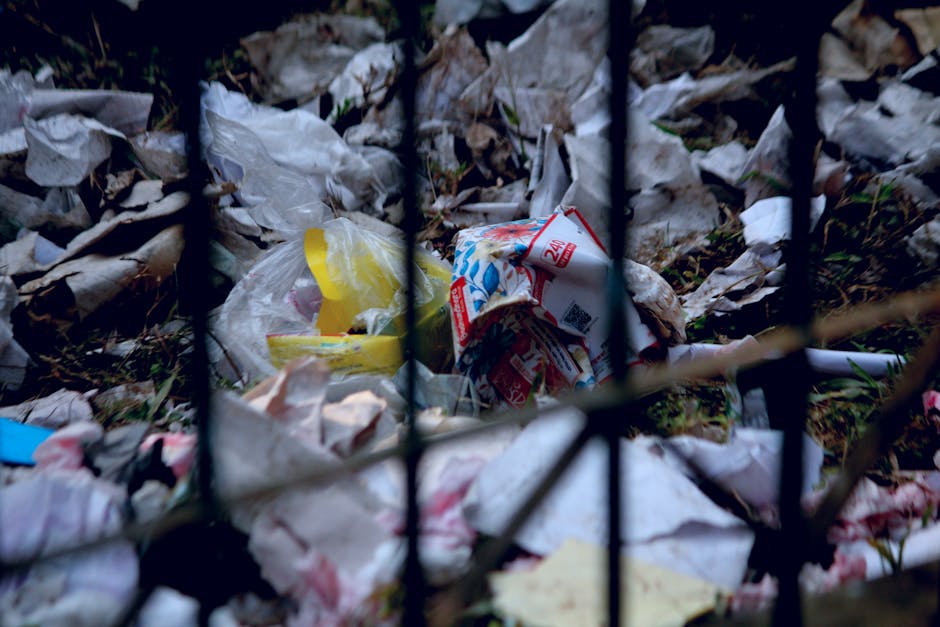
After a move, waste tends to appear in layers. There is the obvious stuff first: packing paper, tape, flattened boxes, and the odd cracked picture frame. Then come the bigger items. A lamp that no longer fits. A sofa that did fit, once, but not in the new flat. Maybe a mattress, an appliance, or a cupboard full of household clutter that never quite earned a proper home.
This matters because not everything can simply be left outside. Different waste streams need different treatment, and councils expect residents to dispose of items responsibly. Even if something looks harmless, it may still need separate handling if it is bulky, electrical, hazardous, or reusable. That is especially relevant after removals, when people are tired and tempted to do the quickest thing available.
For Highbury residents, the real issue is not just tidiness. It is responsibility. Clearing waste properly helps keep shared streets, bin stores, and estate entrances usable for everyone. It also reduces the chance of bags being split open, scavenged, or rejected. And if you are moving from a flat with limited access, timing matters too. A missed collection can quickly become a very visible problem. Nobody wants that awkward look from neighbours on a Friday morning.
Expert summary: after removals, the smartest approach is to sort waste by type first, then decide whether it can go in household bins, be recycled, be reused, or needs a specialist collection. That order saves time and reduces mistakes.
How Highbury waste disposal rules after removals Islington Council guide Works
The basic principle is straightforward: separate your unwanted items into categories and use the correct disposal route for each one. In real life, that usually means four decisions. Can it be reused? Can it be recycled? Does it count as bulky waste? Or does it need specialist handling because it is hazardous or electrical?
Once you answer those questions, the next step becomes clearer. General rubbish from moving day is usually limited to what fits in your normal household waste arrangements. Cardboard and clean paper can often be flattened and recycled. Reusable items may be better passed on. Larger items such as beds, wardrobes, and sofas are usually handled differently. Electrical appliances, fridges, and anything with gas, coolant, chemicals, batteries, or sharp components deserve extra care.
That is why post-move waste is not really one category at all. It is a mix of several, and mixing them up is where people get into trouble. A bag of soft packaging is not the same as a broken mirror. A mattress is not the same as a bag of clothes. And a fridge is certainly not the same as a few black sacks. Obvious, yes. But in the middle of a move, it is easy to lose sight of the obvious.
If you are planning a removal and a clean-out together, services such as home moves and man and van support can help move the right items at the right time, while separate disposal decisions are made for everything else. For heavier or awkward pieces, furniture pick-up can be a practical way to remove items that are no longer needed.
Key Benefits and Practical Advantages
Getting waste disposal right after a removal is not just about compliance. It genuinely makes the move feel more under control. You can breathe a bit easier when the empty rooms are actually empty, rather than half-packed with forgotten clutter. There is a clear mental benefit there, and anyone who has done a last-minute move knows it.
- Cleaner handover: useful if you are leaving a rental property or preparing a home for sale.
- Less stress: sorting waste early prevents last-day panic.
- Better recycling: separating cardboard, metals, textiles, and reusable items keeps more out of general waste.
- Lower risk of mistakes: you are less likely to leave prohibited items out for collection.
- Safer access: clear walkways and shared entrances are easier for everyone in the building.
There is also a cost angle, even if people do not always spot it straight away. If you treat everything as general rubbish, you may end up paying more for the wrong solution. If you sort items properly, you can often use the simplest route available for each one. That is usually the most sensible route too. Nothing glamorous, just good planning.
And if you are already arranging transport for the move, it can help to think in terms of load planning. A moving truck or removal truck hire is useful for the move itself, while post-removal waste should be dealt with separately if needed. Mixing both jobs without a plan tends to get a bit chaotic. A bit? Actually, often very chaotic.
Who This Is For and When It Makes Sense
This guide is for anyone clearing a property in Highbury after a move, but it is especially helpful if your property has stairs, shared access, or tight timing. Flats above shops, converted houses, and mansion blocks are the places where waste management gets complicated quickly. A bulky item that seems easy enough in a ground-floor property can become a headache once you factor in narrow hallways and neighbours trying to get past.
It also makes sense for:
- tenants ending a lease and wanting to leave the property tidy
- homeowners decluttering after moving into a smaller place
- landlords and letting agents preparing for new occupants
- families clearing out furniture that does not fit the new layout
- businesses moving office equipment or old stock
If you are a business, the disposal question can be even more delicate. Office paper, confidential material, monitors, chairs, and packaging all need different treatment. A commercial clear-out can also involve commercial moves or office relocation services, where waste and relocation have to be managed in tandem. Sometimes that means planning shredding or secure disposal separately, which is the tidy way to do it.
For local households, the guide is also useful when you have only one day to sort things out. You know the kind of day: bins everywhere, keys handed over soon, and one person asking where the kettle packed itself. That is when a clear plan matters most.
Step-by-Step Guidance
Here is the simplest way to handle post-removal waste without overthinking it.
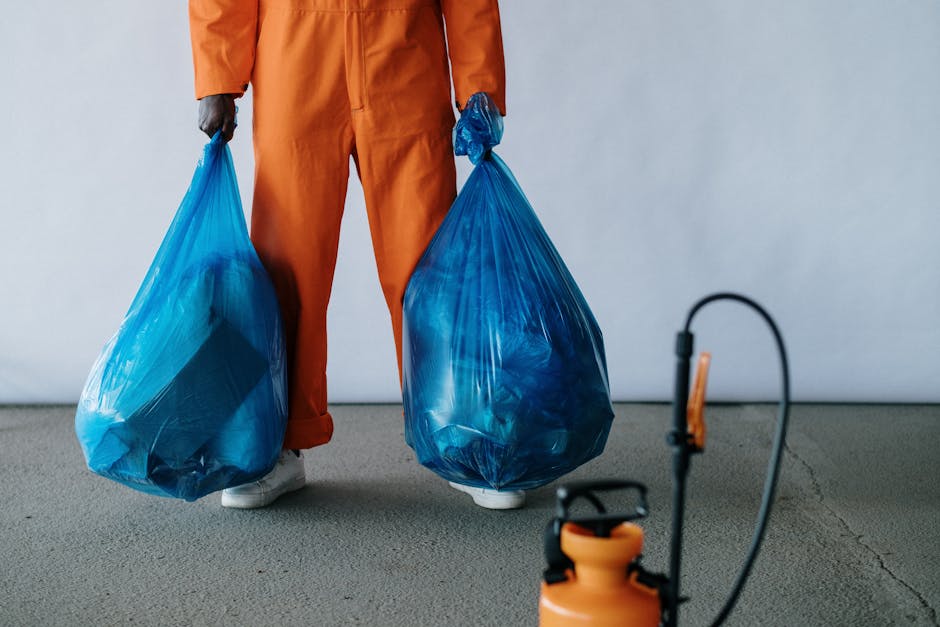
- Separate reusable items first. If something still works and has life left in it, keep it out of the waste stream. Tables, chairs, storage units, and some appliances may be better reused or collected separately.
- Sort recyclable packaging. Flatten cardboard, remove loose tape where practical, and keep paper and card dry. Wet cardboard becomes a nuisance very quickly.
- Identify bulky waste. Sofas, wardrobes, mattresses, cabinets, and similar items usually need specific collection or removal arrangements.
- Check for electricals and appliances. Fridges, freezers, microwaves, TVs, and washing machines should be handled carefully, especially where coolant or internal components are involved.
- Isolate hazardous items. Paints, solvents, aerosols, cleaning chemicals, batteries, and sharp metal pieces should never be bundled in with normal waste.
- Decide on the disposal route. Use household waste, recycling, specialist pick-up, or a compliant skip arrangement depending on the item.
- Keep access clear. Bag items securely, stack sensibly, and do not block shared entrances or pavements.
- Book removal or collection if needed. If the load is awkward or mixed, a professional service can save time and hassle.
One useful habit is to create three temporary zones in the property: keep, donate/reuse, and dispose. It sounds almost too simple, but it works. You stop making decisions twice, which is the hidden drain during most moves. Also, you can see progress. That matters more than people admit.
If you are dealing with soft furnishings, specialist collection is often the safer route. A dedicated mattress and sofa disposal service can be more suitable than trying to squeeze oversized items into general waste. For appliances, the same logic applies, and fridge and appliance removal is worth considering where heavy, awkward, or cooled units are involved.
Expert Tips for Better Results
In our experience, the jobs that go smoothly are the ones where waste is thought about before the last box is packed, not after. That sounds obvious, but you would be surprised how often disposal is treated as an afterthought. Then everyone is standing around at 6:30pm asking where the broken dining chair came from. Again.
Start with the biggest items. Large furniture and appliances shape the rest of the plan. If you know a wardrobe or freezer needs special handling, build your timings around that first.
Keep hazardous materials separate and obvious. Don't tuck batteries, paint tins, or cleaning chemicals into random sacks. Put them in one clearly marked box and keep them upright if possible.
Dry packaging before disposal. Cardboard, paper, and textiles are much easier to manage when they are not damp from a rainy London doorstep. It is a small thing, but it helps a lot.
Plan around access. Highbury streets, stairwells, and shared entrances can be awkward at busy times. If there is limited waiting space or a narrow entrance, schedule removal before the day gets busy.
Ask whether anything can be reused. A chair that is not wanted in one home might be useful elsewhere. Reuse is often the most elegant answer. Simple, really.
For mixed household waste and leftover junk, man with van support can be a practical option when you need flexible collection rather than a full-scale move. If you still need packing help while clearing the property, packing and unpacking services can save time and reduce the odds of things getting thrown together in a rush.
Common Mistakes to Avoid
The biggest mistake is assuming every item can be left out in one pile and sorted later. Later has a habit of disappearing. The second biggest mistake is mixing normal rubbish with items that need special treatment. That is how collection problems happen.
- Leaving bags on the pavement too early: can create clutter, block access, and attract complaints.
- Putting electricals into general rubbish: risky and often the wrong route.
- Ignoring bulky item rules: sofas and mattresses usually need separate arrangements.
- Forgetting confidential material: paper records, bank documents, and office files should not just be binned.
- Overfilling bags: makes them hard to handle and more likely to split.
- Using a skip without checking contents: not every waste type belongs in a skip, especially hazardous items.
People also underestimate how much waste a move creates. You start with "just a few boxes" and end up with packaging, broken storage, old electronics, and a surprising number of screws from nowhere. Tiny things become a nuisance. It is almost funny, if you are not the one clearing it.
If you are considering a skip, it helps to understand the limits before you commit. The page on what can go in a skip is useful for understanding the usual restrictions and why some items need alternative disposal routes. For people who want a greener approach, recycling and sustainability is a good reminder that good waste management is not only about getting rid of things, but doing it responsibly.
Tools, Resources and Recommendations
You do not need a complicated system, but you do need a few basic tools if you want to stay organised. Honestly, this is the part that saves the day.
- Heavy-duty sacks: useful for mixed packaging and smaller household waste.
- Marker pens and labels: make it easy to separate recycle, dispose, and keep.
- Gloves: helpful for broken items, dusty storage, and anything with sharp edges.
- Tape and boxes: good for cords, batteries, documents, and small parts.
- Trolley or sack truck: useful in buildings with lifts or awkward corridors.
From a service perspective, there are a few sensible options depending on the type and volume of waste. A smaller load might suit a flexible collection through furniture pick-up or a general transport solution. A bigger mixed clear-out may need a larger vehicle or a planned removal. If you are comparing ways to move bulky items, removal truck hire can be useful when volume is the main challenge. And for households still in the middle of moving day, home moves support can reduce the pressure.
It is also worth keeping a simple note on what you are disposing of. Nothing fancy. Just a list on your phone. That way, if you need to explain items to a collection team or decide whether something is reusable, you are not guessing. A five-second note can save a ten-minute rummage.
Law, Compliance, Standards, or Best Practice
Waste disposal in the UK is not just a matter of convenience. Households and businesses both have responsibilities to dispose of waste correctly, avoid fly-tipping, and separate hazardous or special waste where required. The exact route can vary depending on the item, the property type, and whether you are clearing a home or a workplace.
Best practice is to treat waste from a removal as a set of categories, not one mixed heap. That approach helps you stay aligned with common council expectations and general UK waste-handling standards. It also reduces contamination. For example, clean cardboard should not be mixed with food residue. Electricals should not be buried inside normal rubbish. Hazardous items should not be hidden in black sacks. These are practical rules, and they exist for good reason.
If a move involves confidential paperwork, secure disposal matters too. Office clear-outs often reveal folders, printouts, archive files, and obsolete records that should not go in ordinary bins. That is where confidential shredding becomes relevant. It is one of those tasks people forget until they are halfway out the door, then suddenly it feels urgent. Sensibly urgent, in this case.
For safety and operational planning, it can also help to review a provider's approach to handling, lifting, and transport. Pages such as health and safety policy and insurance and safety give a clearer sense of the standards a responsible mover should follow. That reassurance matters, especially with heavy or awkward waste.
Options, Methods, or Comparison Table
Different waste types call for different solutions. Here is a simple comparison to help you choose the right route after removals.
| Waste type | Best option | Why it works | Watch out for |
|---|---|---|---|
| Cardboard, paper, clean packaging | Recycling | Usually straightforward, tidy, and efficient | Must be clean and dry |
| Small general rubbish | Household waste | Simple for minor leftover clutter | Do not overfill or mix in prohibited items |
| Sofas, wardrobes, beds | Bulky item disposal | Handles large items safely | Check access and booking requirements |
| Fridges, freezers, appliances | Special appliance removal | Safer for heavy or technical items | Coolant and electrical parts need care |
| Batteries, paint, chemicals | Hazardous waste route | Reduces risk to people and property | Never mix with normal rubbish |
| Mixed clear-out from a move | Professional van or removal support | Good for awkward, varied loads | Sort items before collection where possible |
There is no single right answer for every move. A studio flat clear-out is not the same as a family house or an office relocation. That is why the right method depends on volume, item type, and timing. The best method is the one that keeps you organised without making you do twice the work.
Case Study or Real-World Example
Imagine a couple moving out of a Highbury flat on a damp Thursday evening. The van is booked for the furniture, but by the time the last box comes down the stairs, they have also uncovered an old desk chair, a cracked mirror, packaging from flat-pack storage, a small appliance, and a mattress that will not fit in the new bedroom. A very normal situation, really.
They begin by separating the easy wins: cardboard goes into recycling, the mirror is wrapped safely, and the old chair is set aside for collection. The appliance is checked for special handling, and the mattress is listed as a bulky item. Instead of putting everything into one pile outside the building, they keep the entrance clear and arrange the disposal in stages. The move feels calmer almost immediately.
What made the difference? Not luck. Just sequencing. First the move, then the waste, then the awkward items. The result was a cleaner handover and less pressure on the final day. A small thing on paper, but a huge relief in real life when you are tired, carrying the last bag, and hoping the rain holds off for ten more minutes.
Practical Checklist
Use this checklist before you leave the property.
- Have I separated keep, donate, recycle, and dispose?
- Are cardboard and paper flattened, dry, and ready for recycling?
- Have I identified any bulky items that need separate collection?
- Are fridges, freezers, and other appliances listed separately?
- Have I put batteries, paint, aerosols, or chemicals aside safely?
- Is any confidential paperwork stored for shredding?
- Are pathways, stairwells, and entrances kept clear?
- Have I checked whether any items can be reused or passed on?
- Do I know which service will handle the final load?
- Have I kept a quick list of items in case I need to confirm disposal later?
If you can tick most of those off, you are in a good place. Not perfect, maybe, but good enough to avoid the common headaches. And that is often the difference between a tidy handover and a stressful scramble.
Conclusion
Post-removal waste does not have to become the ugly final act of a move. With a simple sorting system, a bit of care around bulky and hazardous items, and the right disposal route for each load, you can clear a property in Highbury without drama. The key is not to treat everything as the same kind of rubbish. Once you stop doing that, the whole job becomes much easier.
For many people, the best outcome is not just compliance. It is peace of mind. The flat is clear, the stairs are clear, the bins are not overflowing, and you can lock the door knowing you have left things properly. That is a good feeling. A quiet one, but a good one.
If you are planning a move, a clear-out, or a bulky item collection, it helps to compare options early and book the right support before the pressure builds. A well-managed disposal plan can save time, reduce stress, and keep the day moving in the right direction.
Get a free quote today and see how much you can save.
Frequently Asked Questions
What should I do with waste after a removal in Highbury?
Start by sorting it into recycling, reusable items, bulky waste, hazardous materials, and general rubbish. That makes it much easier to choose the right disposal route and avoid mixed loads.
Can I leave removal waste on the pavement?
Not usually. Leaving waste outside too early can block access and create problems for neighbours or passers-by. It is better to keep items secure until the correct collection or removal is arranged.
What counts as bulky waste after a move?
Large household items such as sofas, beds, wardrobes, and mattresses usually count as bulky waste. These items often need a separate collection rather than normal bin disposal.
How do I dispose of a fridge or freezer?
Fridges and freezers should be handled as appliances, not general rubbish. Because they can contain coolant and electrical parts, it is safer to use a specialist removal route.
Can cardboard from moving boxes go in recycling?
Yes, if it is clean and dry. Flattening boxes helps a lot. Wet, food-stained, or contaminated cardboard may not be suitable for recycling.
What should I do with paint, batteries, or cleaning chemicals?
Keep them separate from normal household waste. These items may be classed as hazardous or special waste and should be dealt with carefully.
Do I need to arrange disposal before moving day?
Ideally, yes. If you leave it until the last minute, the load can become harder to sort and more expensive to handle. Early planning is usually calmer.
Is it better to reuse items instead of throwing them away?
Absolutely. If something still has life in it, reuse or donation is often the best option. It reduces waste and keeps the move lighter.
What if I have confidential papers mixed in with my waste?
Set them aside for secure shredding rather than placing them in general waste. This is especially important in office moves or home office clear-outs.
Can a man and van service help with waste after removals?
Yes, in many cases a flexible vehicle and loading service can help remove bulky or mixed items. It is useful when the load does not justify a larger removal and you need a practical solution.
How do I avoid fines or complaints when clearing waste?
Follow local disposal expectations, keep access routes clear, separate hazardous items, and never dump waste where it should not be left. A sensible plan goes a long way.
What is the easiest first step if I am overwhelmed?
Start with the biggest items and sort one room at a time. That gives you momentum quickly, and once you can see the floor again, the rest feels much more manageable.